
Chimney repair in Longmont.
We mend crowns, caps, flashing, mortar joints, firebrick and liners while the damage is still minor, before water and heat can enlarge it.

- reviews on Googleas of
The phone line is answered Monday through Sunday, 7 AM to 9 PM. The form stays open day and night.Phone line open now, until Phone line opens . Book online now.
- Book onlineAny hour
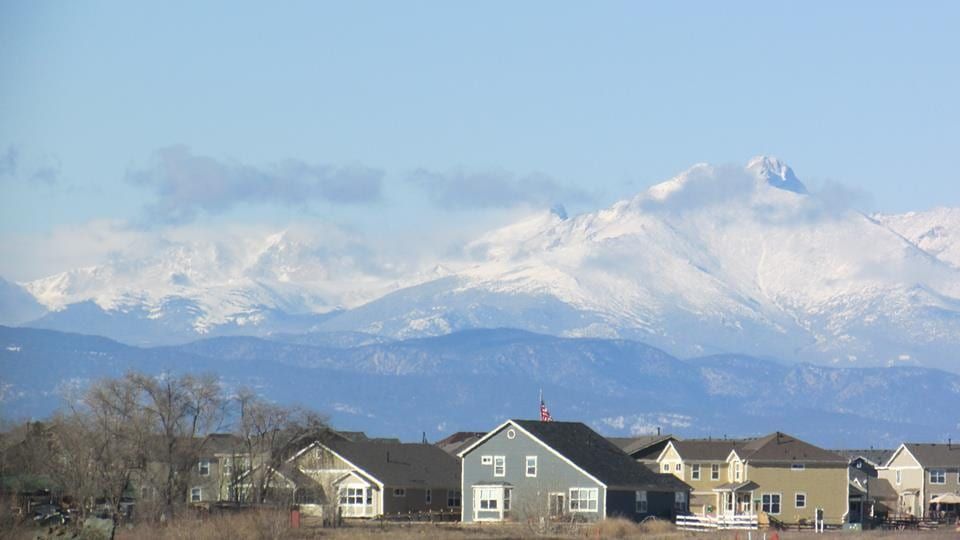
Photo: Near Highway 52 - Longmont, CO (2), USFWS Mountain-Prairie, Public domain
What we repair, from the top down.
Every part of a chimney ages in its own way. Here are the usual repairs, with the Longmont weather in the background.
Crowns.
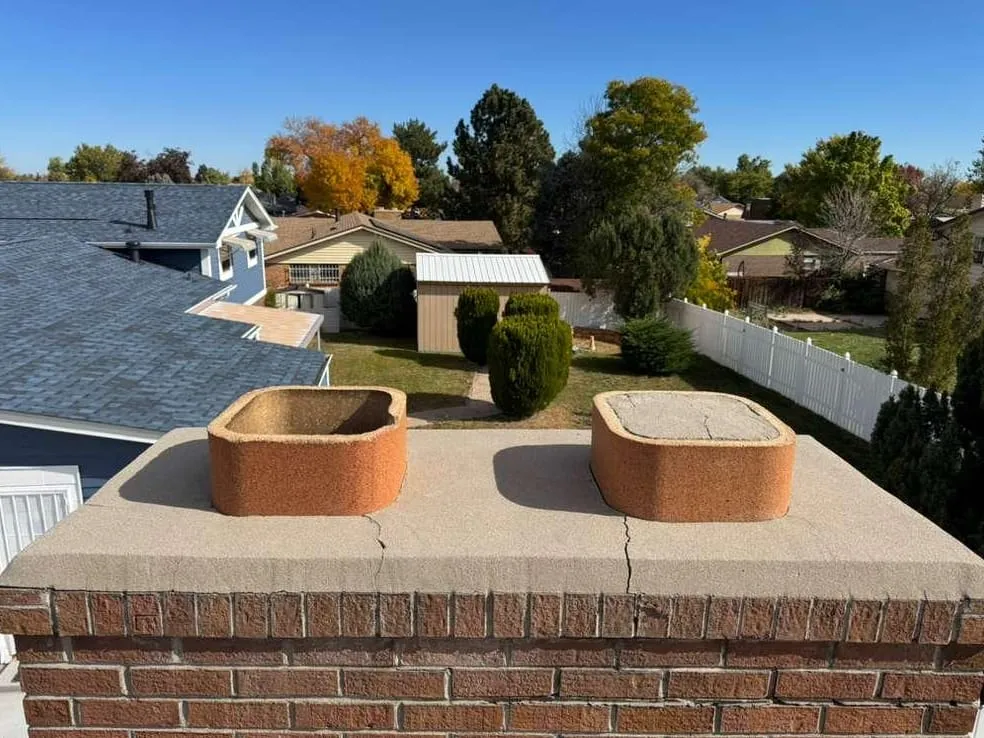
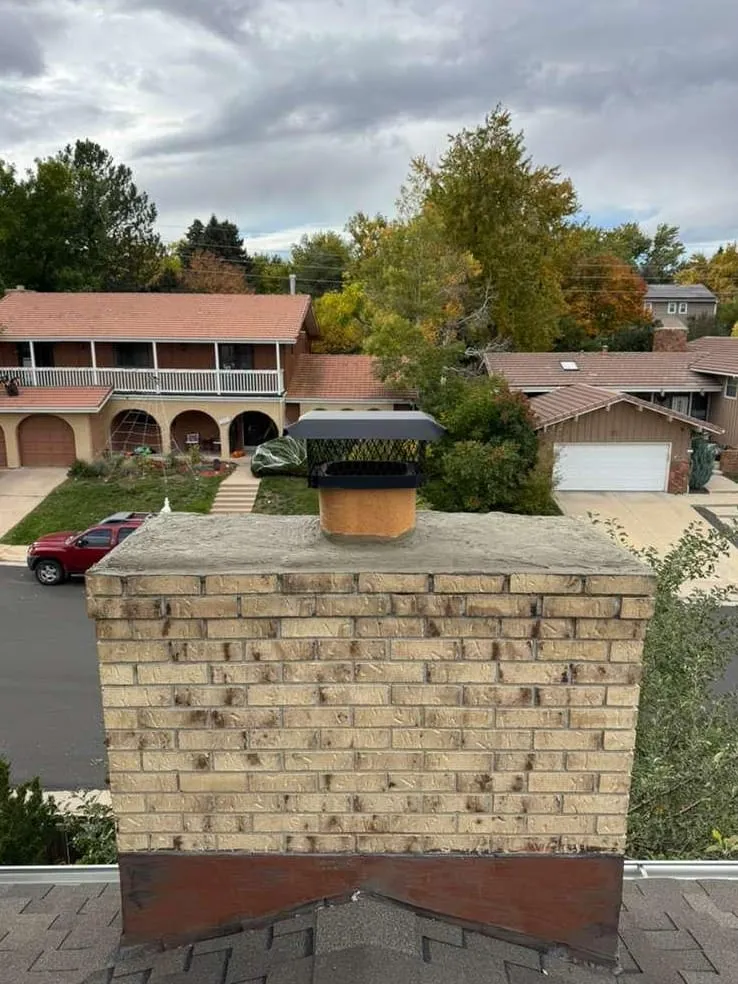
The crown is a concrete cap over the masonry. Its job is to shed rain and melt away from the brick and the flue, and no other part of the chimney takes as much weather.
In a normal Longmont January the day runs from 14.4°F to 44.5°F (NOAA), so a fine crack takes in water that then freezes and pries it wider. A fine crack can be sealed. A crown that is crumbling, or that has pulled free of the flue tile, cannot be, and the whole slab is rebuilt.
From our Google Business Profile Caps and screens.
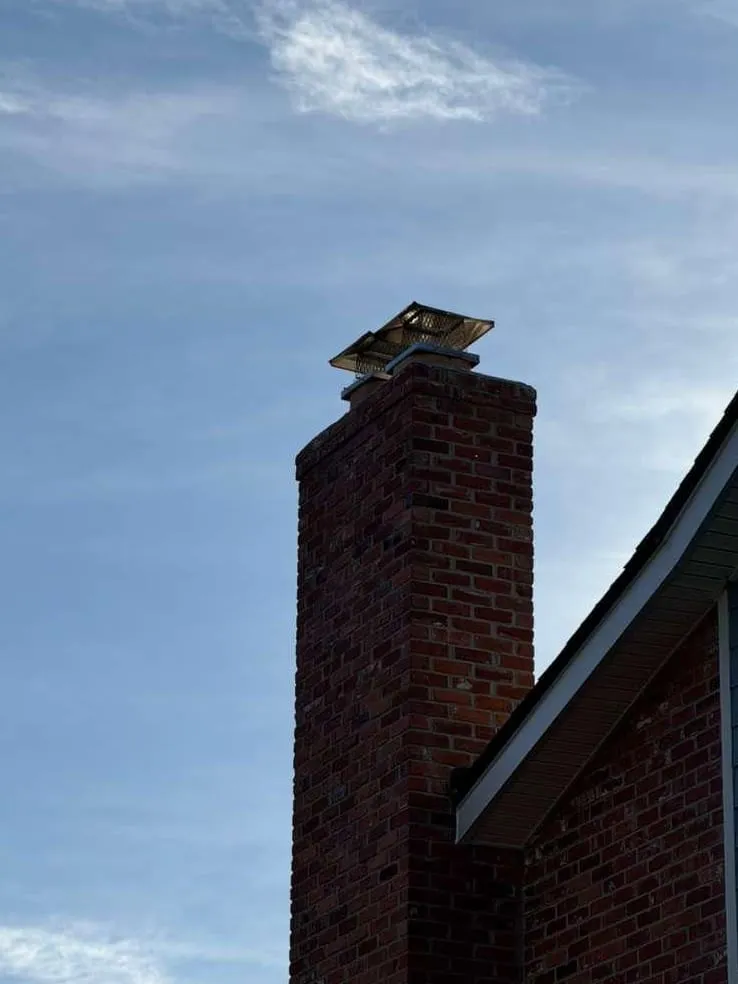
A cap blocks birds, squirrels, rain and snow, and its mesh serves as the spark arrestor. The model code (IRC section R1003.9.2) allows mesh openings of 1/2 inch at the most.
Wind and hail dent metal caps, and moisture rusts them. Watch for dents, loose fasteners, rust along the seams and a mesh that has sagged or clogged, especially after a storm.
From our Google Business Profile Flashing around the base.
Where chimney meets roof, flashing seals the joint. Snow piles up on the uphill side and drains slowly, so an edge that has lifted, or sealant that has tired, leaks right along that line. Inside the house the first clue is often a brown stain on a ceiling or on the attic wall next to the chimney.
From our Google Business Profile Brick and its mortar joints.
Mortar is built to wear out before brick does. Once joints open, water seeps behind the brick face and every freeze can flake a piece off, which is what spalling means.
Tuckpointing packs new mortar into joints that have eroded, ahead of any shifting in the bricks. A brick that has cracked right through or flaked deep is taken out and a new one set in.
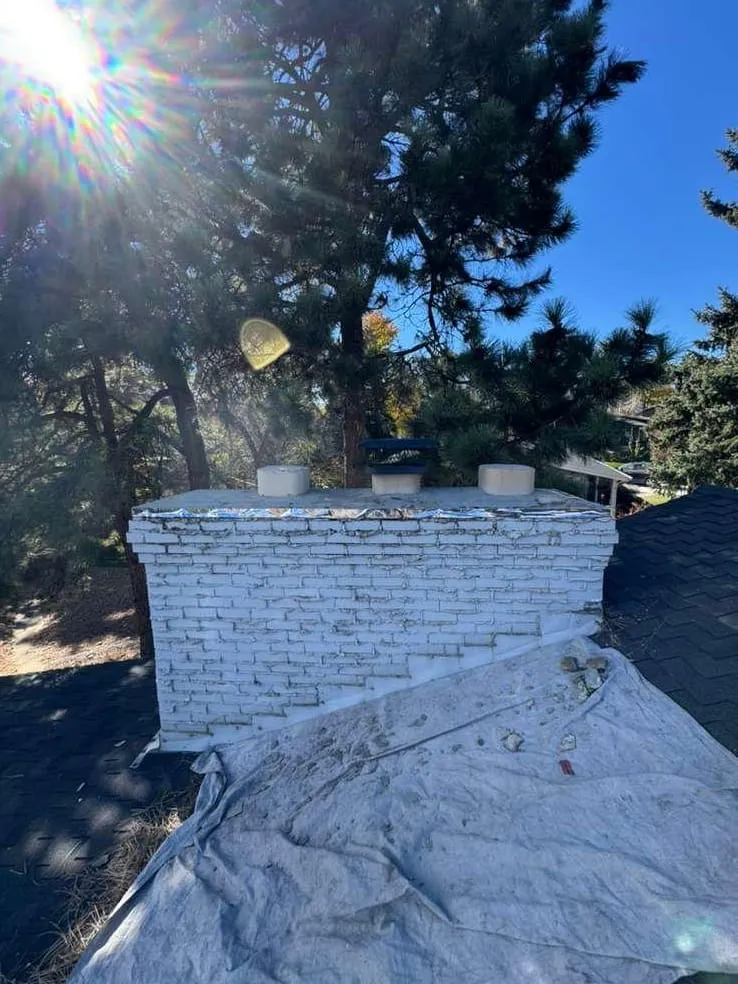
From our Google Business Profile The firebox.
Fire and heat press straight onto the firebrick and the mortar around it. Gaps and cracked brick let heat through to the framing behind, so closing a small gap protects the wooden framing close to the fireplace.
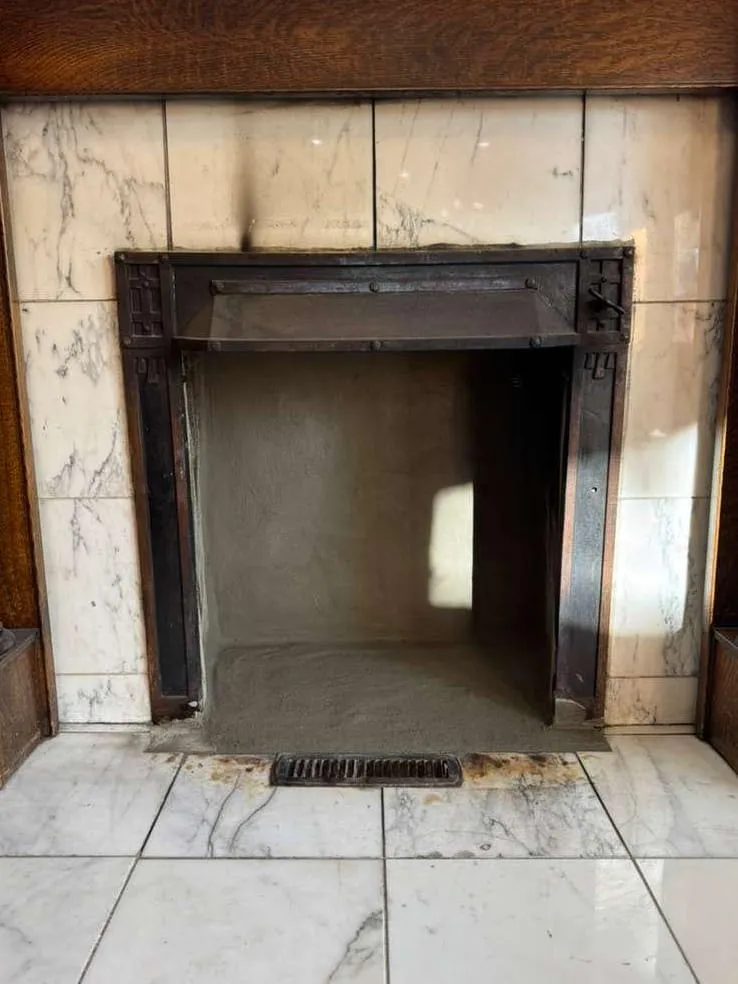
From our Google Business Profile Liners and flue tiles.
Inside the chimney, running its full height, is the liner, and it carries smoke and heat out of the house. A cracked or slipped tile, or a metal seam that has rusted open, can let heat reach the framing and gas reach the rooms, and from the firebox or the roof the fault rarely shows. A camera run up the flue finds it, and a Level 2 inspection includes one. With 1991 as the median year built, a typical Longmont flue is over thirty.
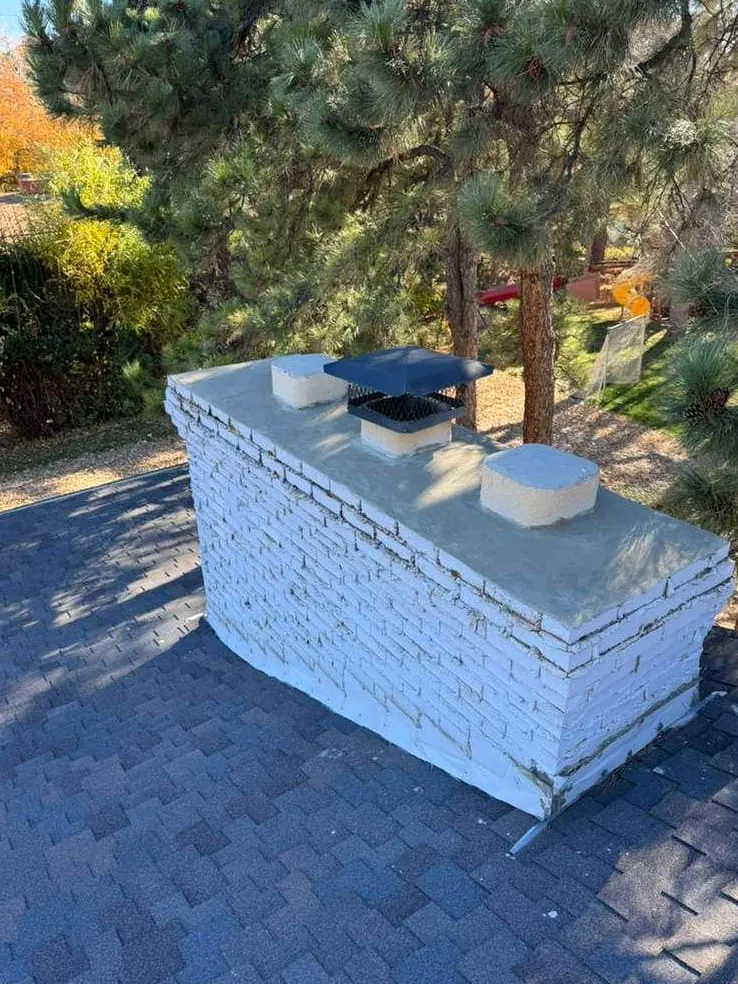
From our Google Business Profile
Questions about repairs.
Brief answers, naming a source where one exists.
What makes a crown crack?
It sits at the top and goes through every freeze and every thaw. Water swells by roughly 9 percent as it turns to ice, so a fine crack holding melt water widens a little on every cold night. Dealt with early, it is a modest job; ignored, it lets moisture reach the brick and the flue.
Is water in the fireplace a worry?
Usually. Water sitting on the hearth, or a stain on a ceiling next to the stack, nearly always enters at the top of the chimney or along the roofline, through the cap, crown or flashing, or else through a worn mortar joint. An inspection tells which.
What does tuckpointing mean?
It means renewing the mortar between bricks. Mortar is meant to wear before brick does, so worn joints are expected, but once they open, water gets behind the face and frost does the rest. Renewing them early holds the bricks where they are.
Does every chimney need a cap?
Almost every one. Without a cap, rain, snow, birds and squirrels reach the flue, and the mesh on top is what keeps sparks from leaving. The model code (IRC R1003.9.2) limits mesh openings to 1/2 inch.
Will you tell me what you plan to do before starting?
Yes. First we go through what we found, from the cap down to the firebox, and what to fix, and when, is yours to decide.
How do I start a repair?
Phone (970) 610-0859 (Monday through Sunday, 7 AM to 9 PM); the form below is open around the clock, so you can describe what you have noticed whenever you like.

Book your visit.
Tell us what looks wrong on the form, or simply phone, and we will ring you back to settle on a day.
- 1Get in touch Ring the office or send a few lines through the form.
- 2We phone you A person calls back and picks a day with you.
- 3Roof to hearth The visit starts at the cap and finishes at the firebox, one part after another.
- 4You decide We tell you what we saw, and what happens next is up to you.
Online
At any hour, by form
Photo: Longmont star trails, Jeremy Thomas, CC0
Would you like the fireplace ready before the first cold night, or answers about something you noticed on the roof?
The phone line is answered Monday through Sunday, 7 AM to 9 PM. The form stays open day and night.Phone line open now, until Phone line opens . Book online now.
Book online