

Chimney inspections in Longmont.
An inspection goes over the chimney one part at a time, so a minor fault is caught before it turns into a major one. Phone us, or send the form at a time that suits you.

- reviews on Googleas of
The phone line is answered Monday through Sunday, 7 AM to 9 PM. The form stays open day and night.Phone line open now, until Phone line opens . Book online now.
- Book onlineAny hour
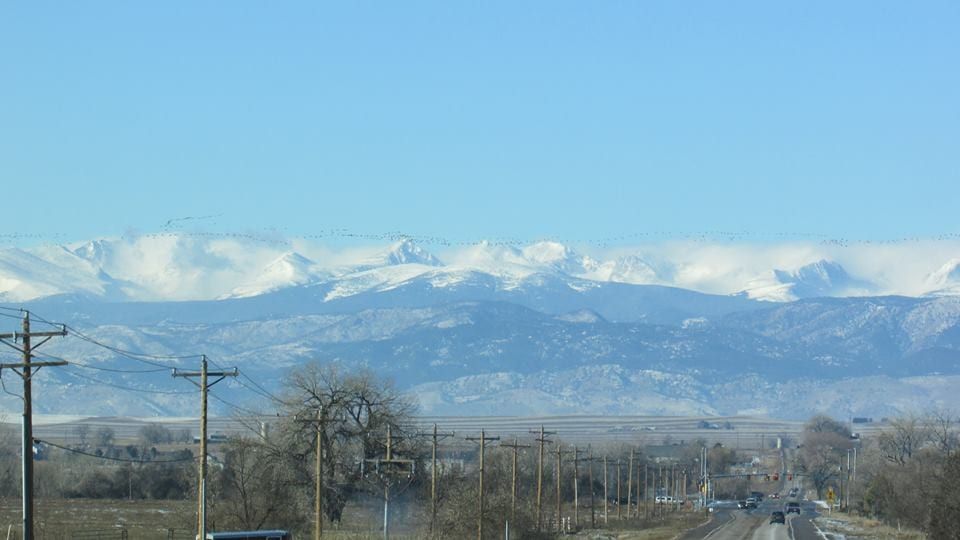
Photo: Near Highway 52 - Longmont, CO (1), USFWS Mountain-Prairie, Public domain


What an inspection covers.
Six parts, from the cap down to the firebox.
Cap
At the very top
Hail, sun and wind wear on the cap first. Its mesh blocks animals and holds sparks in; its lid keeps rain and snow from falling straight into the flue.
We check: dents from hail, mesh coming loose, rust on the lid or the seams.
Crown
The slab beneath it
Thaw water slips into a hairline crack in the crown by day and freezes there by night. In a normal Longmont January the low is 14.4°F and the high 44.5°F.
We check: fine cracks, flaking edges, a gap at the slab's rim beside the flue.
Flashing
Around the base
The flashing is the metal collar at the joint of chimney and roof. Snow builds up on its uphill side and melts slowly, and a lifted seam gives that water a way in.
We check: a curled edge, sealant that has hardened and split, rust trails, a stain on the ceiling beside the chimney.
Flue liner
Within the brick
Smoke and gas leave the house through the liner. A median build year of 1991 means a typical Longmont flue is past thirty, old enough for a tile to have moved or a pipe seam to have rusted.
We check: pipe seams that have rusted or opened, tiles that are cracked or out of line, a liner that is wrong for the appliance it serves.
Smoke chamber and damper
Between flue and firebox
Soot and creosote gather first on the smoke shelf over the damper. A fireplace used now and then fills slowly, a daily stove fills fast, and both fill.
We check: shiny or tar-like coatings, a damper that seals when closed, a shelf that is crumbling or sloping.
Firebox
At the hearth
The fire sits against the firebox. Years of heating and cooling crack the firebrick and loosen its joints, and a narrow gap is the easier one to close before heat can travel through to the wall at the back.
We check: gaps in the mortar joints, firebrick that is cracked or flaking, a hearth that is level and solid.
Three levels of inspection.
The NFPA 211 standard for chimneys, fireplaces and vents sets out three levels of inspection, each reaching further than the one before.
Level 1
An ordinary chimney, used the way it always has been.
Covers Whatever can be seen and reached without taking anything apart.
Level 2
A house being sold or handed to a new owner, a heating setup that has been modified, a chimney fire, or another event that may have done harm.
Covers A Level 1 and then some: the attic and the crawl space, plus a camera sent up the flue.
Level 3
A hazard is suspected and a Level 2 could not rule it out.
Covers A Level 2 and then some: the concealed parts, which can call for dismantling part of the structure.
Source: NFPA 211.Request an inspection
When to book one.
Waiting for a symptom is the late way to find a problem. These are the moments that justify an inspection.
In early fall, before the first fire.
NFPA recommends one inspection a year. Early fall, ahead of the first fire, makes a sensible slot.
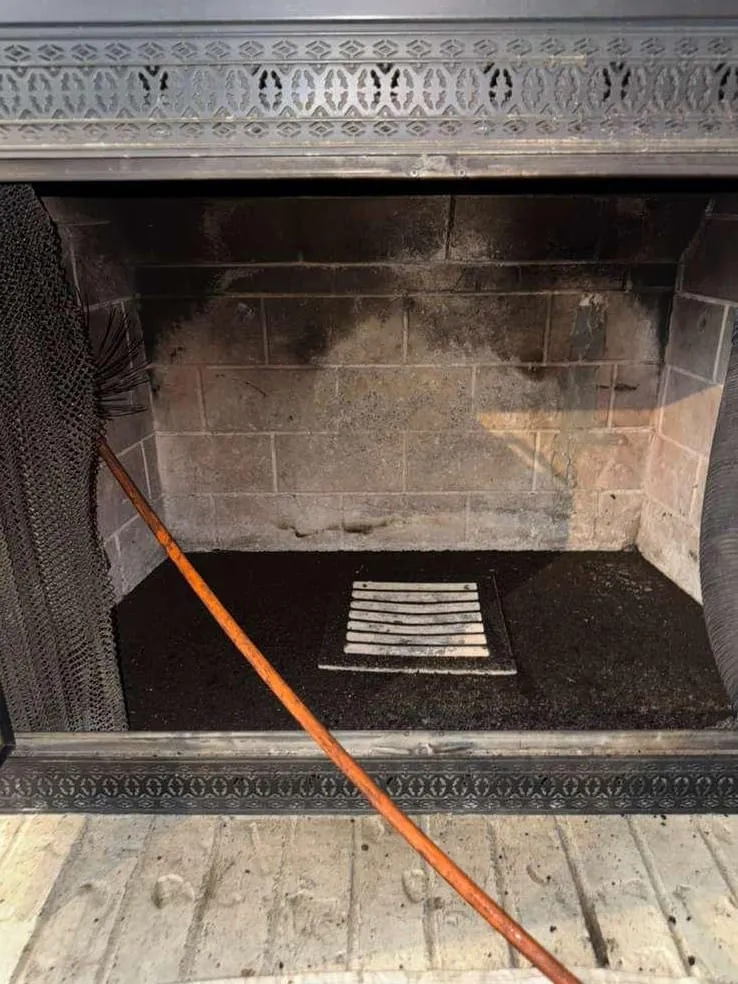
From our Google Business Profile A house changing owners.
When a house is sold or changes owners, NFPA 211 points to a Level 2, with a camera run through the flue. Longmont's homes vary a great deal in age: the Census Bureau (ACS 2020 to 2024) counts about 2,100 built in 1939 or earlier and about 6,600 built from 2010 to 2019, so neighbors' chimneys can be very different.
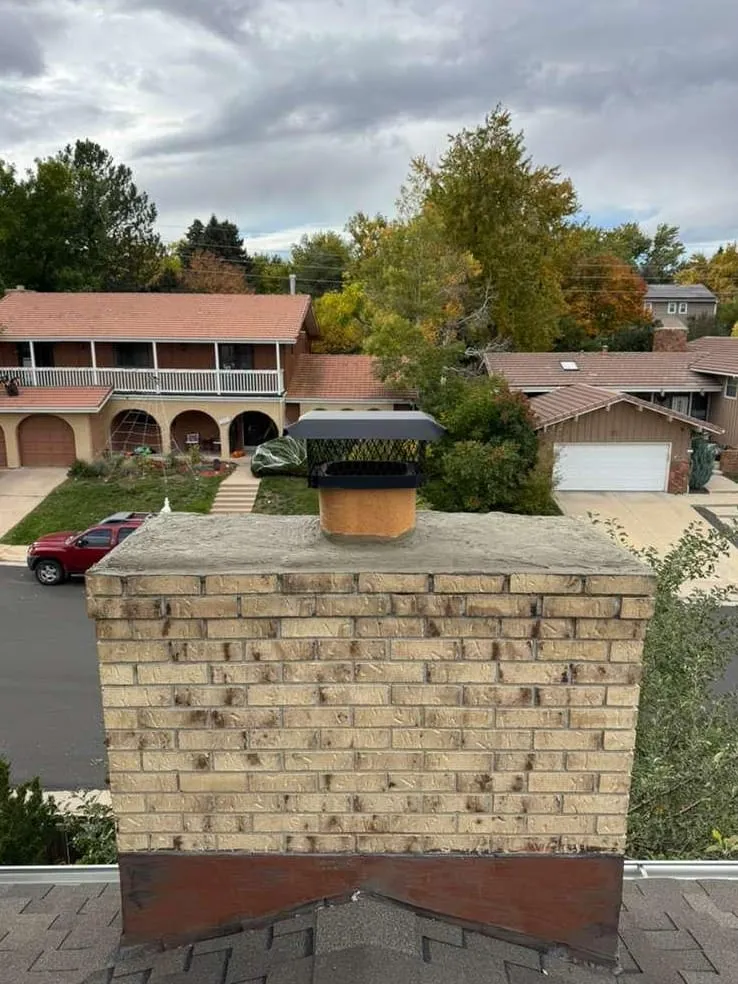
From our Google Business Profile After a chimney fire.
A chimney fire, or any other event that might have damaged the system, is another occasion NFPA 211 lists for a Level 2.
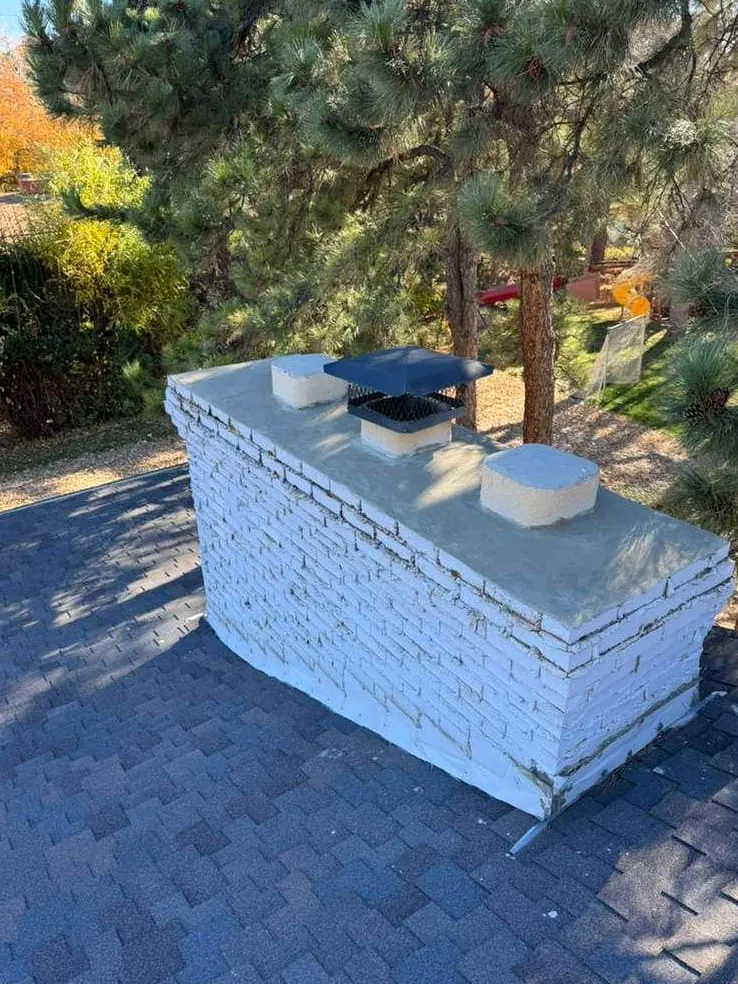
From our Google Business Profile After deep snow or a strong wind.
Snow and wind hit the highest parts first: the cap, the crown and the flashing. After the March 13 to 14, 2021 blizzard, NWS Boulder storm reports listed 25.5 inches of snow 3 miles north-northeast of Longmont, and gusts of 40 to 50 mph were common along I-25.

Photo: Near Highway 52 - Longmont, CO (2), USFWS Mountain-Prairie, Public domain
Questions about inspections.
Brief answers, naming a source where one exists.
Does the law require a yearly inspection?
NFPA 211 recommends one. Whether a rule applies to your home depends on local codes. Sweeping runs on its own schedule, set by how much you burn.
Should I have the chimney checked before buying or selling?
Yes, because NFPA 211 names a sale or transfer as a Level 2 occasion. That level adds the attic and the crawl space to the review and runs a camera up the flue, whereas a Level 1 covers only what can be reached by hand.
What gets looked at?
The inspection runs from the roof down: the cap, crown and flashing, then the liner, then the smoke chamber and damper, then the firebox. The list for each part sits further up this page.
How do I book an inspection?
Phone (970) 610-0859 (Monday through Sunday, 7 AM to 9 PM); the form below takes requests around the clock.

Book your visit.
Tell us what looks wrong on the form, or simply phone, and we will ring you back to settle on a day.
- 1Get in touch Ring the office or send a few lines through the form.
- 2We phone you A person calls back and picks a day with you.
- 3Roof to hearth The visit starts at the cap and finishes at the firebox, one part after another.
- 4You decide We tell you what we saw, and what happens next is up to you.
Online
At any hour, by form
Photo: Longmont star trails, Jeremy Thomas, CC0
Would you like the fireplace ready before the first cold night, or answers about something you noticed on the roof?
The phone line is answered Monday through Sunday, 7 AM to 9 PM. The form stays open day and night.Phone line open now, until Phone line opens . Book online now.
Book online