
Animal Nests and Other Blockages: Signs to Watch for in Chimney Vents
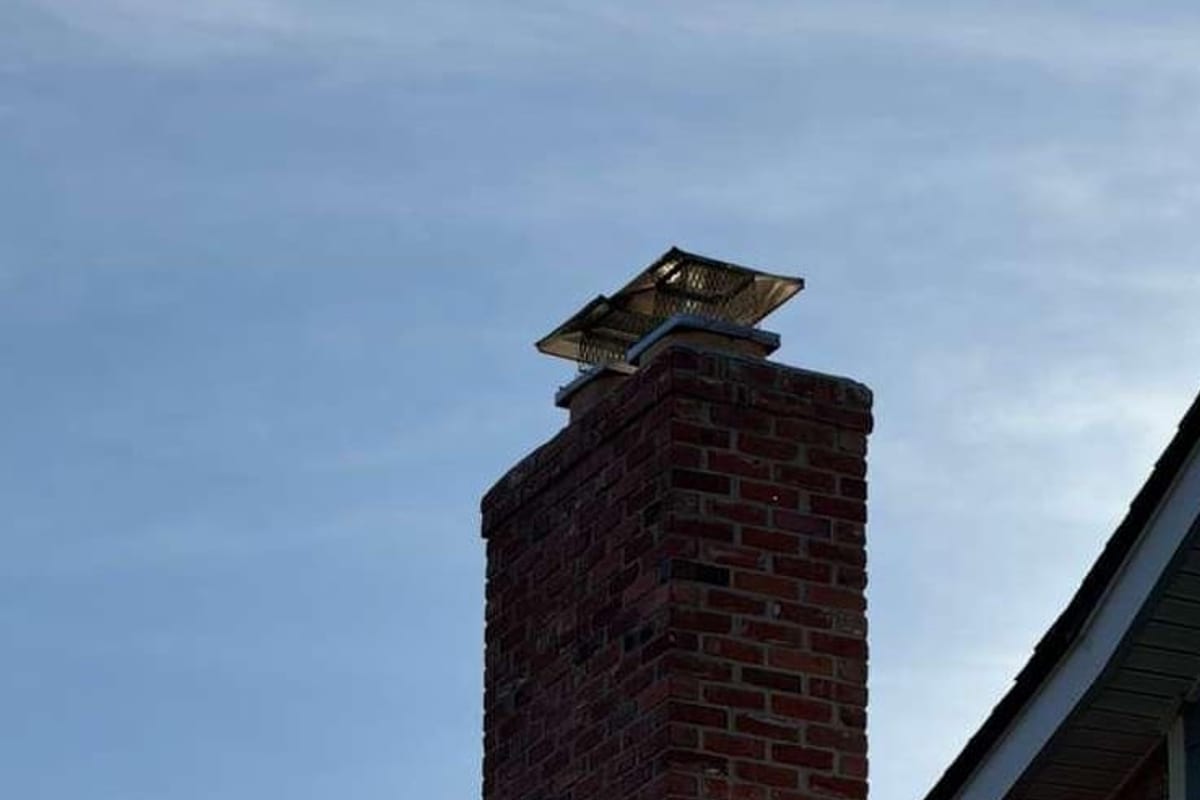
A blocked or occupied chimney usually gives itself away through sounds in the flue, nesting material dropping into the firebox, smoke that refuses to rise, or a stale, rotten odor. Gas vents can be blocked with no visible sign at all, so a missing or damaged cap is a warning in itself.
What gets in, and the signs it leaves
An uncapped flue is a sheltered, warm, vertical space, and to many animals it looks like an ideal nesting spot. Birds are the most common visitors, building nests across the top of the flue or on the smoke shelf. Squirrels drop in, sometimes deliberately and sometimes by accident, and raccoons can climb down a masonry flue and raise young on the smoke shelf. Leaves, seed pods, small branches and wind blown debris collect there too, especially in a chimney close to trees. Whatever the source, the clues tend to fall into a few groups:
- Sounds. Scratching, fluttering, chirping or thumping from inside the chimney or the wall around it, often early in the morning or at dusk.
- Debris. Bits of twig, grass, feather, leaf or droppings turning up on the damper or the firebox floor.
- Smoke trouble. A fire that smokes into the room, or smoke that is slow to start rising even with the damper fully open.
- Smells. A musty, ammonia like or rotten odor, which can come from droppings, nesting material or an animal that died in the flue.
- Insects. Flies or other insects around the fireplace when no window is open.
- A missing or damaged cap. If you can see the open flue from the yard, or the mesh is torn or bent, assume something can get in.
Why gas vents are a special case
In the Census Bureau's 2020 to 2024 estimates, about three out of four occupied homes in Longmont heat mainly with utility gas, and in many of them the furnace or water heater vents through a flue in the chimney. Those flues are smaller than a fireplace flue and easier to block, and gas exhaust gives no smoke to warn you when it has nowhere to go. A nest on top of a furnace flue can push carbon monoxide back into the house.
Signs specific to gas appliances include soot or discoloration around the appliance or the vent hood, a pilot light that keeps going out, or a carbon monoxide alarm that sounds. Any of those means the appliance should be turned off and checked. Our article on chimney cleaning and carbon monoxide covers this in more depth.
Mistakes to avoid
- Never try to drive an animal out with fire. It can trap the animal, start a fire in the nesting material, or push smoke and gases into the house.
- Do not reach up blindly. A cornered animal can bite, and nesting material is often full of droppings and parasites.
- Do not seal the top while something is still inside. The animal will die in the flue, and the smell and cleanup are far worse.
- Be aware of protected birds. Many wild birds, possibly including the one in your flue, are protected by the federal Migratory Bird Treaty Act, which makes it unlawful to take their nests or eggs except as federal rules allow. Until the bird is identified, an occupied nest may have to stay put until the young have left.
Clearing a blockage and keeping it clear
Once any animals are out, the nest and debris are removed from the top or the smoke shelf, the flue is swept, and the liner is checked, since nesting material and droppings can hide damage. If an animal died in the flue, cleaning and deodorizing the smoke chamber may be needed as well.
Prevention comes down to the cap. A well fitted cap with intact mesh keeps out birds and animals while letting smoke out. The model residential code, at section R1003.9.2, sets the largest mesh opening for a spark arrestor at half an inch, a size that also stops most birds and rodents. Whether that exact rule applies to your house depends on the codes the city has adopted, but it is a sensible standard in any case. Overhanging branches should be trimmed back so squirrels do not have an easy route to the roof.
If a nest keeps coming back in the same place, the cap is almost always the reason: it is missing, it is the wrong size for the flue, or its screen has rusted open at one corner.
Our chimney repair service covers new and replacement caps, and blockages are cleared as part of a sweep and cleaning.